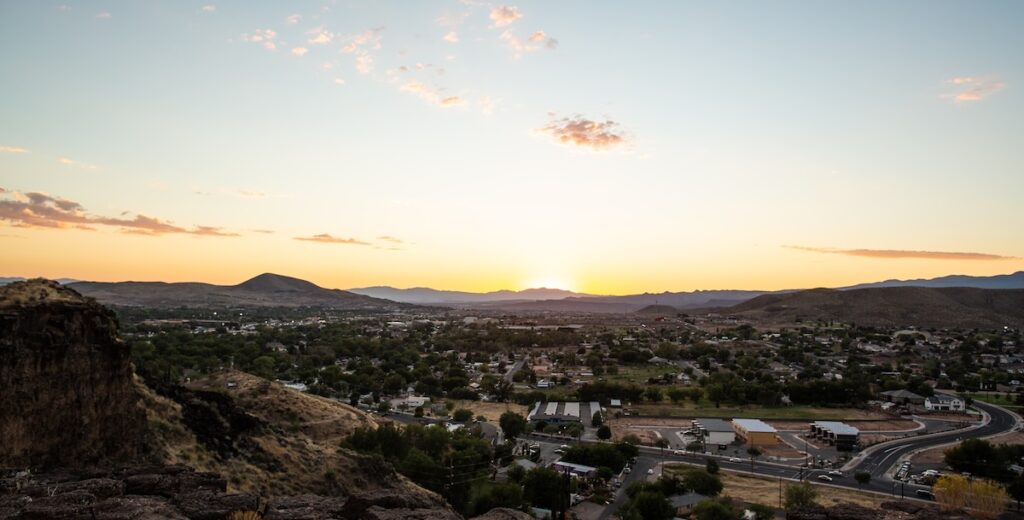
Few road trips in the American Southwest are as epic as driving from the Grand Canyon to Zion National Park. These two natural wonders are bucket-list destinations on their own, but connecting them by car turns your adventure into a scenic journey filled with canyons, cliffs, and small-town charm.
Embarking on a Grand Canyon road trip offers an unforgettable and epic experience, combining iconic landscapes and memorable moments along the way.
This guide covers everything you need to know — from driving distance and which rim is closest, to entrance fees and the best stops along the way. Many travelers start or end their journey in Las Vegas, taking advantage of its proximity and role as a major travel hub for exploring the Southwest. Las Vegas airport is the most convenient and cost-effective international gateway for travelers planning a Grand Canyon to Zion National Park road trip, thanks to its accessibility, wide range of flight options, and strategic location. The drive also lets you experience the nostalgia of a historic route, with stretches of classic highways that capture the spirit of vintage American road trips. And when it comes to finding the perfect place to rest between parks, Gateway road trip accommodations give you comfort, convenience, and resort-style amenities in the heart of it all.
Introduction to the Road Trip
Embarking on a road trip from Zion National Park to the Grand Canyon is the ultimate way to experience the breathtaking beauty of the American Southwest. This epic road trip itinerary winds through a tapestry of stunning landscapes, from the soaring cliffs of Zion Canyon to the vast, colorful depths of the Grand Canyon South Rim. Along the way, you’ll encounter some of the most iconic national parks and natural wonders in the United States, each offering its own unique adventure.
Start your journey in Zion National Park, where the lush greenery of the Virgin River contrasts with dramatic red rock formations. The Zion Canyon Scenic Drive, accessible by shuttle bus, takes you deep into the heart of the park, with stops for unforgettable hikes like the Riverside Walk, Emerald Pools Trail, and the challenging climb to Observation Point or Angels Landing. Whether you’re a seasoned hiker or just looking for a scenic stroll, Zion’s network of hiking trails offers something for everyone.
As you head east, Bryce Canyon National Park awaits with its otherworldly amphitheaters filled with thousands of hoodoos—towering, spire-shaped rock formations that glow in shades of orange and pink at sunrise and sunset. The park’s scenic drive reveals numerous overlooks, while trails like the Navajo Loop Trail invite you to wander among the Hoodoos for a truly immersive experience. Southwestern Utah is ideally situated for exploring both Bryce Canyon and Zion National Park, making it a strategic base for travelers looking to experience multiple national parks in the region.
No Southwestern road trip is complete without a visit to Antelope Canyon, a mesmerizing slot canyon near Page, Arizona. Guided tours lead you through narrow passageways carved by centuries of wind and water, where sunlight filters down in ethereal beams, creating a photographer’s paradise. Just a short drive away, Horseshoe Bend offers a jaw-dropping view of the Colorado River as it curves in a dramatic horseshoe-shaped meander—an essential stop for any road trip photo album.
The adventure continues at Lake Powell and the Glen Canyon Dam, where you can enjoy boating, kayaking, or simply marvel at the engineering that shaped this desert oasis. The Glen Canyon Dam Visitor Center provides fascinating insights into the region’s history and the vital role of the Colorado River.
Finally, the Grand Canyon National Park awaits, with the South Rim offering iconic viewpoints like Mather Point, Yavapai Point, and Hopi Point. Stroll along the Rim Trail—also known as the South Rim Trail, a 13-mile accessible, paved pathway with numerous viewpoints and photo opportunities—for panoramic vistas, or challenge yourself on legendary hikes such as the Bright Angel Trail or South Kaibab Trail, descending toward the canyon floor. Along the Rim Trail, be sure to stop at Bright Angel Lodge, a notable destination featuring dining options and shops that enhance the visitor experience at the Grand Canyon. The Grand Canyon Village is the perfect base for exploring, with historic lodges, dining, and easy access to the park’s best sights.
This road trip is more than just a drive—it’s a journey through some of the most stunning landscapes and rock formations in the world. Take your time, soak in the views, and let each stop along the way add a new chapter to your adventure. Whether you’re chasing sunrise at Bryce Canyon, exploring slot canyons, or standing on the edge of the Grand Canyon, this is an epic road trip you’ll remember for a lifetime.
How Far Is the Grand Canyon to Zion National Park?
The distance depends on which rim of the Grand Canyon you’re visiting:
- South Rim to Zion National Park – About 250 miles, 4.5-5 hours by car. This is the most popular route since the South Rim is open year-round. Travelers can pass through Carmel Junction and use the East Entrance to access Zion National Park via Utah State Route 9.
- North Rim to Zion National Park – Around 120 miles, 2.5-3 hours. The Grand Canyon North Rim is closer, but it’s only open seasonally (typically mid-May through mid-October). Jacob Lake is a convenient stop for fuel and food when traveling between the North Rim and Zion.
Both drives offer stunning scenery, with long stretches of open road surrounded by red rock landscapes. If you want the most direct route, you can head straight from the Grand Canyon North Rim to Zion.
Which Part of the Grand Canyon Is Closest to Zion?
The North Rim is the closest part of the Grand Canyon to Zion, located in northern Arizona, with just a few hours’ drive separating the two parks. However, it’s less developed and has a shorter visitor season.
The South Rim, while farther away, is open year-round and offers more amenities, restaurants, and iconic viewpoints. Many travelers choose to visit both rims if their schedule allows, but if you’re short on time, pairing Zion with the North Rim makes for the quickest road trip.
The east side of both the Grand Canyon and Zion National Park offers unique viewpoints and quieter experiences away from the main crowds.
For those traveling from the North Rim, East Zion is an area with additional hiking trails and scenic spots easily accessible along the route.
How Much Does It Cost to Enter the Grand Canyon?
As of 2025, entrance fees for the Grand Canyon are:
- $35 per vehicle (valid for 7 days)
- $30 per motorcycle
- $20 per individual (on foot, bicycle, or shuttle)
If you’re planning to visit multiple national parks on your trip — such as Zion, Bryce Canyon, or Arches — consider the America the Beautiful Pass for $80. It covers entry to all U.S. national parks for one year and pays for itself quickly on a road trip like this.
Best Time to Visit
Timing your Grand Canyon road trip can make all the difference between a good adventure and an unforgettable one. The best time to visit Grand Canyon National Park, Zion National Park, and the surrounding gems like Bryce Canyon National Park and Antelope Canyon is typically during the spring (April to May) and fall (September to October). During these months, you’ll enjoy mild, comfortable temperatures—usually ranging from 60°F to 80°F (15°C to 27°C)—that are perfect for hiking, exploring scenic drives, and soaking in the stunning landscapes without the summer crowds.
Spring brings Zion National Park to life with blooming wildflowers along the Zion Canyon Scenic Drive and on popular hiking trails like the Emerald Pools Trail and Canyon Overlook Trail. Fall, on the other hand, paints the canyons in warm hues and offers crisp, clear air for tackling classic hikes such as the Bright Angel Trail, South Kaibab Trail, and Rim Trail at the Grand Canyon South Rim.
If you’re hoping to experience the quieter, more remote Grand Canyon North Rim, keep in mind it’s only open from June through September due to snow closures. Always check the park’s website for the latest updates on road conditions and accessibility before heading out. The Grand Canyon South Rim, by contrast, welcomes visitors year-round, but summer can bring intense heat—sometimes soaring above 100°F (38°C)—while winter may dust the rim with snow and ice, creating a magical but sometimes challenging environment for travel.
Zion National Park also sees a wide range of temperatures. Summers can be hot, especially on exposed trails like Angels Landing or Observation Point, while winters can bring snow to the higher elevations. That’s why spring and fall are the sweet spots for exploring Zion Canyon, hiking the Riverside Walk, or taking in the views from the Canyon Overlook.
Bryce Canyon National Park is another highlight along your road trip itinerary. Its famous hoodoos and dramatic amphitheaters are especially breathtaking in the soft light of spring and fall, when crowds are thinner and the weather is just right for exploring the Navajo Loop Trail or catching sunrise at Sunrise Point and sunset at Sunset Point.
Antelope Canyon, with its mesmerizing slot canyon formations, is open year-round, but spring and fall offer the best conditions for photography and guided tours. The same goes for Lake Powell and Glen Canyon Dam—these destinations are ideal for boating, kayaking, and sightseeing when the weather is pleasant and the lake is less crowded.
No matter when you visit, always check the latest park updates and road conditions, especially if your Grand Canyon road trip includes multiple national parks or remote scenic drives. With the right timing, you’ll enjoy the best hiking trails, panoramic overlooks, and iconic rock formations that make this region a must-see for any road trip enthusiast.
What to See Between Zion and Grand Canyon
The drive between these two iconic parks is packed with sights worth pulling over for:
- Kaibab Plateau – A forested highland near the North Rim with scenic overlooks.-Vermilion Cliffs National Monument – Dramatic cliffs and desert views.
- Marble Canyon & Navajo Bridge – A stunning crossing over the Colorado River, located within the Navajo Nation.
- Cameron Trading Post – A historic stop along Highway 89, known for authentic Native American crafts, artwork, and local cuisine.
- Tuba City – The largest town in the Navajo Nation, serving as a cultural hub and gateway to northern Arizona attractions like Lake Powell and the Grand Canyon.
- Grand Staircase – Experience the dramatic rock layers and scenic views of Grand Staircase-Escalante National Monument, a geological wonder connecting Bryce Canyon and Zion.
- Capitol Reef & Capitol Reef National Park – Key destinations within the Grand Circle road trip, offering hiking trails and stunning scenic beauty in the heart of the Southwest.
- Fire State Park – Valley of Fire State Park near Las Vegas, famous for its vibrant rock formations and scenic drives.
- Hoover Dam – A significant engineering achievement and notable tourist attraction, the Hoover Dam is renowned for its historical construction during the Great Depression, impressive Art Deco architectural style, and the unique experience of touring the dam as part of a southwestern U.S. travel itinerary.
- Grand Canyon West – A popular, developed area outside Grand Canyon National Park, close to Las Vegas, featuring unique attractions:
- Grand Canyon Skywalk – A semi-circular glass walkway extending 70 feet beyond the canyon rim, offering panoramic views 4,000 feet above the Colorado River.
- Desert View Watchtower – A must-see at the Grand Canyon, known for its unique architecture, artwork, and self-guided tour experience.
- Kanab, Utah – A charming small town often called “Little Hollywood” for its film history.
- Coral Pink Sand Dunes State Park – A unique landscape of shifting red-orange dunes, perfect for quick exploration.
- Sunrise Point & Sunset Point – Iconic viewpoints in Bryce Canyon National Park, ideal for catching breathtaking sunrise and sunset vistas.
- Quaint Main Street – Williams, Arizona’s historic and charming downtown, offering a nostalgic Route 66 atmosphere and retro appeal.
- Don’t miss the chance to visit Antelope Canyon for a guided tour or unique hiking experience through its famous slot canyons.
After exploring, unwind at Gateway Luxury Resort in Hurricane, Utah — the perfect midway stop to relax, recharge, and plan your next adventure.
Why Gateway Luxury Resort is the Perfect Road Trip Basecamp
Choosing the right place to stay can make your road trip stress-free. Here’s why Gateway Luxury Resort is better than piecing together Airbnbs or basic motels:
- Convenient Location – Hurricane, UT sits perfectly between Zion, the Grand Canyon, and other Southwest gems.
- Modern Comforts – Luxury casitas, cozy interiors, and open-air patios for stargazing.
- Resort Perks – A pool, pickleball courts, and scenic gathering spaces you won’t find in most short-term rentals.
- Pet-Friendly Options – So every family member can join the adventure.
It’s the best combination of homey comfort and resort luxury — ideal for road trippers who want reliability and convenience.
Plan Your Grand Canyon to Zion Adventure
From breathtaking canyon views to hidden gems along the road, this trip is one you’ll never forget. Whether you’re driving from the South Rim or North Rim, exploring the scenic stops along the way, or pairing your journey with Bryce Canyon and beyond, one thing is certain: you’ll want a comfortable, central place to call home.
Make Gateway road trip accommodations your basecamp and enjoy the best of both worlds — close to the parks, packed with amenities, and ready to make your adventure seamless from start to finish.