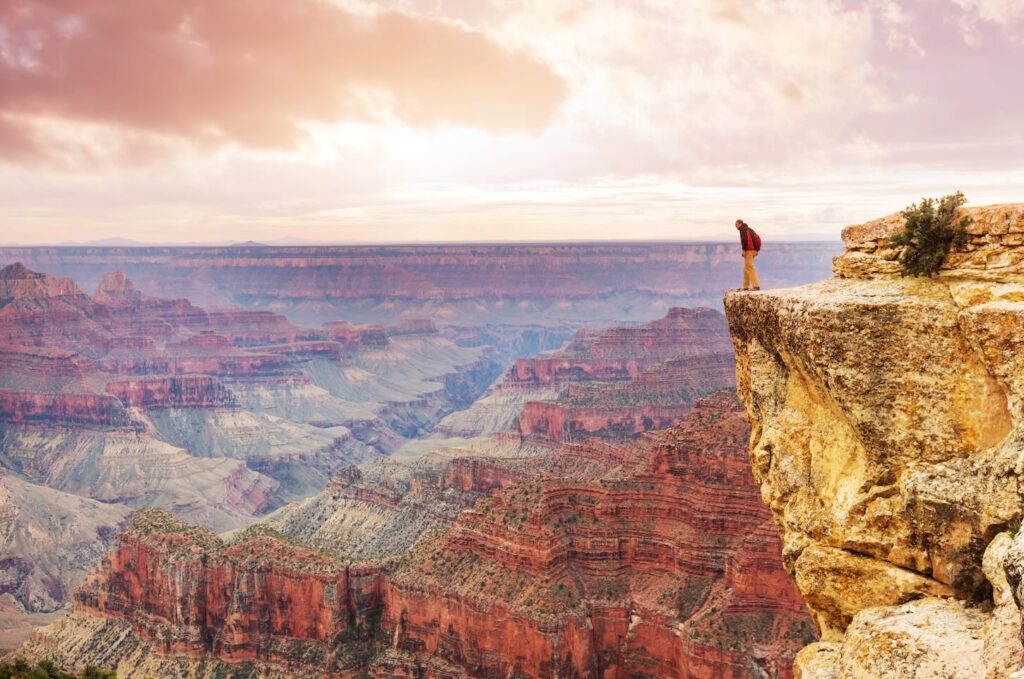
Embarking on a journey to Utah’s national parks presents a challenging choice: Bryce Canyon National Park or Zion National Park? Both nestled in the American Southwest, they offer distinct experiences tailored to various traveler types.
For adventure-seekers, nature enthusiasts, or those yearning to immerse in the U.S.’s natural splendor, recognizing each park’s unique attributes is key to planning your outdoor adventure. Conveniently located within driving distance from Las Vegas or Salt Lake City, either park could be a highlight of a road trip that might also feature the Grand Canyon.
The dilemma stands – do you explore Zion National Park’s dramatic canyons and diverse landscapes, or venture into Bryce Canyon’s extraordinary hoodoos and elevated terrains? This article aims to explore the geographical features, recreational opportunities, and accessibility of each park, assisting you in making a choice that aligns with your preferences and travel style.
Geographical Features and Natural Beauty
Bryce Canyon National Park is celebrated for its distinctive and awe-inspiring geographical formations. Diverging from the concept of a traditional canyon, Bryce Canyon comprises a collection of vast natural amphitheaters etched into the eastern flank of the Paunsaugunt Plateau. These natural arenas are adorned with an assortment of vibrant hoodoos – towering, slender pillars of rock sculpted by the forces of frost weathering and stream erosion.
The hoodoos, which can soar up to 200 feet in height, are the emblem of the park, conjuring a landscape that is at once ethereal and majestic. Situated at elevations between 8,000 to 9,000 feet, the park offers sweeping views from vantage points like Rainbow Point, the park’s apex at 9,105 feet. From here, visitors can gaze upon the Aquarius Plateau, Bryce Amphitheater, and other distant vistas.
Zion National Park, nestled in southwestern Utah, is distinguished by its varied and striking geography that differentiates it from other national parks. It lies at the confluence of the Colorado Plateau, Great Basin, and Mojave Desert regions, fostering a rich amalgamation of life zones and geological structures. The centerpiece of the park, Zion Canyon, is a profound and slender gorge sculpted by the North Fork of the Virgin River.
The canyon’s sheer walls, composed of reddish and tan-colored Navajo Sandstone, ascend up to 2,640 feet from the canyon floor. The park is home to iconic landmarks such as Angels Landing, The Great White Throne, the Court of the Patriarchs, and The Narrows – a slender gorge that narrows down to 20 feet across and towers up to 2,000 feet high. With terrain that shifts dramatically, the park’s elevation spans from 3,666 feet at Coalpits Wash to 8,726 feet at Horse Ranch Mountain, presenting a relief of approximately 5,100 feet.
Recreational Activities Available
Both Bryce Canyon and Zion National Parks are havens for hikers and nature lovers, boasting a plethora of trails that cater to various levels of expertise and interests.
In Bryce Canyon National Park, the array of trails highlights the park’s distinctive hoodoos and breathtaking scenic views. The Queen’s Garden Trail and Navajo Loop form a popular moderate 2.9-mile loop that guides you through the amphitheater’s core, presenting mesmerizing views from both the canyon’s top and bottom.
For a gentler trek, the Sunset Point to Sunrise Point Trail offers a 1.1-mile out-and-back hike that is accessible for all, including families and those with mobility challenges. The Fairyland Loop Trail, a moderate 7.9-mile hike, promises a less crowded path with views just as stunning of the Bryce Amphitheater.
Zion National Park is famed for its iconic and challenging hikes, such as the Angels Landing trail. This strenuous 4.8-mile roundtrip rewards hikers with awe-inspiring views from atop a 1,488-foot rock formation, though it demands careful navigation and physical endurance.
The West Rim Trail, spanning 25km, is perfect for a lengthy day hike or an overnight adventure, offering sweeping views of Zion Canyon and its surroundings. For a more leisurely stroll, the 3.5km Riverside Walk is a paved trail that meanders alongside the Virgin River through a picturesque canyon, accessible to a broad audience.
Beyond hiking, both parks offer an array of recreational activities to enrich the visitor experience.
Bryce Canyon National Park invites visitors to take scenic drives along its 18-mile route, featuring numerous viewpoints and trail access points. Horseback riding tours provide a unique perspective of the park’s trails. In winter, the park transforms into a snowy paradise, with opportunities for cross-country skiing, snowshoeing, and ice fishing.
Zion National Park extends its offerings beyond trekking. Its shuttle system, operational from March to November, simplifies park exploration. Adventurers can engage in canyoneering, rock climbing, and photography, capturing the park’s striking landscapes and geological wonders.
For those keen on delving into the park’s natural and cultural heritage, ranger-led programs and guided tours shed light on the park’s diverse flora, fauna, and historical narratives.
Accessibility and Visitor Facilities
When planning your visit to either Bryce Canyon or Zion National Park, considering the available national park accommodations can significantly impact your experience. Zion National Park does not have lodging within the park itself, but there are several options available in the nearby town of Springdale and other surrounding areas.
Bryce Canyon National Park is well-equipped to handle visitor needs with its comprehensive visitor services. The park’s visitor center, located 1.5 miles inside the park, is open year-round with varying hours depending on the season.
During the summer months, the visitor center is open from 8:00 a.m. to 8:00 p.m., while in the winter, it operates from 8:00 a.m. to 4:30 p.m. Here, visitors can obtain maps, brochures, and other information to help plan their visit. The center also issues backcountry permits for overnight stays and provides assistance with shuttle services, which are essential for navigating the park during peak seasons.
The park’s shuttle system is another key aspect of its visitor services. The shuttle operates during the peak season, providing easy access to various viewpoints and trailheads within the park. This service helps reduce traffic congestion and makes it easier for visitors to enjoy the park’s scenic beauty without the hassle of driving and parking.
Conclusion
If you’re planning to visit both, a Bryce Canyon itinerary can help you maximize your time and experience. Many travelers opt to explore the two parks together as part of their Utah adventures, taking advantage of their proximity and the variety of activities each offers.
For adventure-seekers, nature enthusiasts, or those yearning to immerse in the U.S.’s natural splendor, recognizing each park’s unique attributes is key to planning your outdoor adventure. Conveniently located within driving distance from Las Vegas or Salt Lake City, either park could be a highlight of a road trip that might also feature the Grand Canyon. The scenic drive from Zion to Bryce Canyon is approximately 84 miles and takes about 1 hour and 45 minutes, with the best route being along the Zion-Mount Carmel Highway to US-89 North and Scenic Byway 12.
The dilemma stands – do you explore Zion National Park’s dramatic canyons and diverse landscapes, or venture into Bryce Canyon’s extraordinary hoodoos and elevated terrains? This article aims to explore the geographical features, recreational opportunities, and accessibility of each park, assisting you in making a choice that aligns with your preferences and travel style.
Geographical Features and Natural Beauty
Bryce Canyon National Park is celebrated for its distinctive and awe-inspiring geographical formations. Diverging from the concept of a traditional canyon, Bryce Canyon comprises a collection of vast natural amphitheaters etched into the eastern flank of the Paunsaugunt Plateau. These natural arenas are adorned with an assortment of vibrant hoodoos – towering, slender pillars of rock sculpted by the forces of frost weathering and stream erosion. Bryce Canyon is known for its high-elevation plateau and unique limestone hoodoos, and it has the largest concentration of hoodoos in the world.
The hoodoos, which can soar up to 200 feet in height, are the emblem of the park, conjuring a landscape that is at once ethereal and majestic. The park features an 18-mile scenic drive that includes 14 easily accessible overlooks. Situated at elevations between 8,000 to 9,000 feet, the park offers sweeping views from vantage points like Rainbow Point, the park’s apex at 9,105 feet. Other notable overlooks along the scenic drive include Bryce Point and Inspiration Point, both popular observation points that provide panoramic views of Bryce Amphitheater and the surrounding landscape. From here, visitors can gaze upon the Aquarius Plateau, Bryce Amphitheater, and other distant vistas. The higher elevation results in cooler temperatures and, in winter, the chance to see snow covered hoodoos, creating a unique and picturesque spectacle.
Zion National Park, nestled in southwestern Utah, is distinguished by its varied and striking geography that differentiates it from other national parks. It lies at the confluence of the Colorado Plateau, Great Basin, and Mojave Desert regions, fostering a rich amalgamation of life zones and geological structures. The centerpiece of the park, Zion Canyon, is a profound and slender gorge sculpted by the North Fork of the Virgin River. Zion features a deep, river-carved canyon with iconic hikes like The Narrows and Angels Landing.
The canyon’s sheer walls, composed of reddish and tan-colored Navajo Sandstone, ascend up to 2,640 feet from the canyon floor. The park is home to iconic landmarks such as Angels Landing, The Great White Throne, the Court of the Patriarchs, and The Narrows – a slender gorge that narrows down to 20 feet across and towers up to 2,000 feet high. With terrain that shifts dramatically, the park’s elevation spans from 3,666 feet at Coalpits Wash to 8,726 feet at Horse Ranch Mountain, presenting a relief of approximately 5,100 feet.
Recreational Activities Available
Both Bryce Canyon and Zion National Parks are havens for hikers and nature lovers, boasting a plethora of trails that cater to various levels of expertise and interests.
In Bryce Canyon National Park, the array of trails highlights the park’s distinctive hoodoos and breathtaking scenic views. The Queen’s Garden Trail and Navajo Loop form a popular moderate 2.9-mile loop that guides you through the amphitheater’s core, presenting mesmerizing views from both the canyon’s top and bottom. These are considered easy hikes and are highly recommended for families and beginners, offering accessible viewpoints.
For a gentler trek, the Sunset Point to Sunrise Point Trail offers a 1.1-mile out-and-back hike that is accessible for all, including families and those with mobility challenges. The Fairyland Loop Trail, a moderate 7.9-mile hike, promises a less crowded path with views just as stunning of the Bryce Amphitheater. We also recommend hiking the Wall Street section of the Navajo Loop for its unique slot canyon experience and excellent photo opportunities.
Bryce Canyon National Park invites visitors to take scenic drives along its 18-mile route, featuring numerous viewpoints and trail access points. Bryce Canyon allows visitors to use their own vehicle year-round, making it easy to access the 14 overlooks along the 18-mile road. Horseback riding tours provide a unique perspective of the park’s trails. In winter, the park transforms into a snowy paradise, with opportunities for cross-country skiing, snowshoeing, and ice fishing. Stargazing is a popular activity in both parks, and Bryce Canyon is certified as an International Dark Sky Park, offering exceptional night sky viewing.
Zion National Park is famed for its iconic and challenging hikes, such as the Angels Landing trail. This strenuous 4.8-mile roundtrip rewards hikers with awe-inspiring views from atop a 1,488-foot rock formation, though it demands careful navigation and physical endurance. Hiking Angels Landing requires a permit via a lottery system and is considered a strenuous hike, but offers breathtaking panoramic views. We also recommend hiking The Narrows, a bucket list-worthy hike that involves wading through the Virgin River within a slot canyon.
The West Rim Trail, spanning 25km, is perfect for a lengthy day hike or an overnight adventure, offering sweeping views of Zion Canyon and its surroundings. For a more leisurely stroll, the 3.5km Riverside Walk is a paved trail that meanders alongside the Virgin River through a picturesque canyon, accessible to a broad audience. The Canyon Overlook Trail is a moderate, half day hike that offers panoramic views of Zion Canyon and is a popular choice for sunset viewing. Zion is also a world-class destination for technical canyoneering and rappelling.
Zion National Park extends its offerings beyond trekking. Its shuttle system, operational from March to November, simplifies park exploration. The Grotto shuttle stop is a key access point for popular hikes like Angels Landing and Weeping Rock, and the shuttle is required during peak season to reduce congestion. Adventurers can engage in canyoneering, rock climbing, and photography, capturing the park’s striking landscapes and geological wonders.
For those keen on delving into the park’s natural and cultural heritage, ranger-led programs and guided tours shed light on the park’s diverse flora, fauna, and historical narratives. To avoid crowds, it’s best to start activities at sunrise. Cell reception can be spotty in both parks, so downloading park information for offline use is recommended.
Accessibility and Visitor Facilities
When planning your visit to either Bryce Canyon or Zion National Park, considering the available national park accommodations can significantly impact your experience. Zion National Park does not have lodging within the park itself, but there are several options available in the nearby town of Springdale and other surrounding areas. Springdale is a charming town and a convenient lodging location for accessing Zion National Park, offering a variety of hotels and rentals. For a unique experience, Under Canvas Zion provides upscale, safari-inspired tents with king-size beds and ensuite bathrooms.
Bryce Canyon National Park is well-equipped to handle visitor needs with its comprehensive visitor services. The park’s visitor center, located 1.5 miles inside the park, is open year-round with varying hours depending on the season. The park entrance serves as the starting point for accessing Bryce Canyon’s main scenic drive and viewpoints, with convenient parking facilities nearby. There are two campgrounds and one hotel accommodation within Bryce Canyon National Park, while Ruby’s Inn and Bryce Canyon Grand Hotel are popular lodging options just outside the park.
During the summer months, the visitor center is open from 8:00 a.m. to 8:00 p.m., while in the winter, it operates from 8:00 a.m. to 4:30 p.m. Here, visitors can obtain maps, brochures, and other information to help plan their visit. The center also issues backcountry permits for overnight stays and provides assistance with shuttle services, which are essential for navigating the park during peak seasons.
The park’s shuttle system is another key aspect of its visitor services. The shuttle operates during the peak season, providing easy access to various viewpoints and trailheads within the park. This service helps reduce traffic congestion and makes it easier for visitors to enjoy the park’s scenic beauty without the hassle of driving and parking. Visitors are encouraged to rent a car for the road trip from Zion to Bryce Canyon, as public transportation is limited. Booking accommodations near Zion and Bryce Canyon should be done 3 to 6 months in advance for the best options, and staying in the lodge at Zion National Park requires booking at least a year ahead. We recommend spending at least one night between Zion and Bryce Canyon to fully explore the scenic stops along the route, such as the iconic Red Canyon Arch and Mammoth Cave, known for its lava tubes and cave chambers. Travelers can expect to see a variety of landscapes, including red rock formations and dense pine forests, on the drive from Zion to Bryce Canyon. The best time to do the road trip is between May and October, to avoid winter road closures. When reaching Bryce Canyon after passing through Red Canyon Arch, continuing north leads to other attractions in the region.
Nearby Attractions and National Monuments
Exploring Zion National Park and Bryce Canyon National Park opens the door to a wealth of nearby attractions and national monuments, making southern Utah a true paradise for adventurers and nature lovers. If you’re planning a road trip between Zion and Bryce Canyon, consider extending your journey to include some of the region’s most remarkable sites.
Just a couple of hours northeast of Bryce Canyon National Park lies Capitol Reef National Park, a hidden gem known for its dramatic red rock cliffs, winding canyons, and the scenic drive along the Waterpocket Fold. Whether you’re up for a short hike to the iconic Hickman Bridge or want to take in the panoramic views from the park’s scenic byway, Capitol Reef offers a quieter, less-traveled alternative to the more popular parks.
Closer to Bryce Canyon, Cedar Breaks National Monument is a must-see, especially if you’re captivated by colorful rock formations. Located about an hour from Bryce Canyon, this national monument features a natural amphitheater carved into the edge of the Markagunt Plateau, with vibrant red and orange spires reminiscent of Bryce’s famous hoodoos. A short hike along the rim or a leisurely scenic drive through the monument rewards visitors with breathtaking vistas, especially when the wildflowers are in bloom or the snow covers the landscape.
For those craving even more geological wonders, a side trip to Antelope Canyon is well worth the drive. Situated about two and a half hours from Zion National Park, this world-renowned slot canyon is famous for its swirling sandstone walls and ethereal light beams. Guided tours offer a safe and informative way to explore the narrow passageways and learn about the canyon’s unique formation.
As you travel between Zion and Bryce Canyon, don’t miss the scenic drive through Red Canyon and Dixie National Forest. The route is dotted with striking red rocks, natural arches, and opportunities for a short hike, such as the Mossy Cave Trail, which leads to a hidden grotto and a small waterfall. This stretch of road is a highlight in itself, offering beautiful scenery and a taste of Utah’s diverse landscapes.
Bryce Canyon City serves as a convenient gateway to Bryce Canyon National Park, providing a range of amenities, restaurants, and lodging options for travelers. Meanwhile, the historic Zion Lodge, nestled within Zion National Park, offers a unique opportunity to stay right in the heart of the park, surrounded by towering cliffs and the tranquil Virgin River.
When planning your visit, keep in mind that the best time to explore Zion and Bryce Canyon, as well as their neighboring attractions, is from April to October. During these months, the weather is generally mild, though summer can bring heat and winter may see snow and the potential for altitude sickness, especially at higher elevations.
Getting to these parks is straightforward, with major airports in Salt Lake City and Las Vegas providing easy access. Renting a car is highly recommended, as it allows you to fully experience the scenic byways and make spontaneous stops at overlooks, trailheads, and charming towns along the way.
With so many national parks, monuments, and natural wonders fairly close together, a trip to Zion and Bryce Canyon is just the beginning of your Utah adventure. Whether you’re seeking a strenuous hike, a scenic drive, or simply a chance to marvel at the largest concentration of geological wonders in the American Southwest, this region promises unforgettable experiences at every turn.
Conclusion
When weighing the options between Bryce Canyon and Zion National Park, it’s essential to align your choice with your personal interests and what each destination has to offer. Bryce Canyon is renowned for its extraordinary hoodoos, cooler temperatures, and less congested environment, making it the perfect choice for those in search of a calm and family-oriented adventure.
Conversely, Zion National Park is a paradise for thrill-seekers, featuring a variety of terrains, the challenging Angels Landing hike, and ample canyoneering and rock climbing opportunities. Each park showcases breathtaking natural beauty, yet their unique features cater to different visitor preferences.
Whether you opt for the peaceful paths of Bryce Canyon or the adrenaline-fueled activities in Zion, you are assured an exceptional journey amidst the stunning beauty of Utah’s wilderness. So, start planning your adventure, pack your essentials, and prepare to explore the awe-inspiring landscapes that these two remarkable national parks have to offer.